Endurance Running, Markets and Life
How I learned that wealth, stamina, and meaning are all built in the same quiet way — slowly, painfully, and over time.
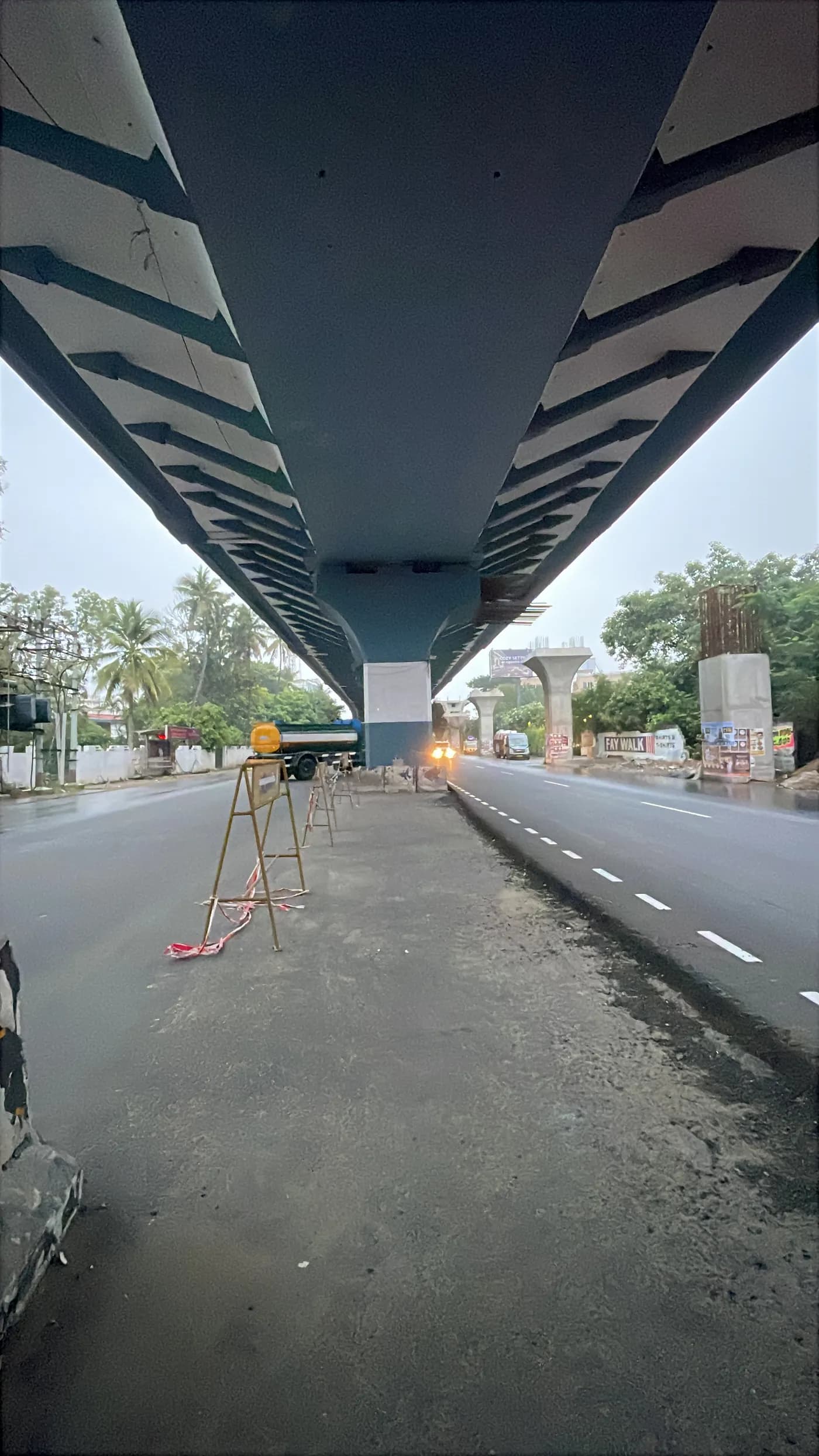
It was raining in Coimbatore this morning when I tied my laces. The drizzle was light but persistent — the kind that doesn't interrupt you, just stays with you. The air was thick, the roads glistening, and the city still half asleep.
As I began to run, a thin mist blurred everything — the trees, the hills, the world beyond ten feet of vision.
But there's something magical about that blur. When your surroundings fade, your thoughts take shape.
Somewhere between the patter of rain and the rhythm of my breath, I found myself thinking not about running, but about waiting.
Because that's what running really is — a long, quiet conversation with discomfort.
The First Kilometre
There was a time when even a single kilometre felt like punishment. My lungs burned, my legs begged for mercy, my mind whispered every possible reason to quit.
I wasn't unfit — I was impatient. My body hadn't yet learned the language of endurance.
And yet, those who endure that early pain discover something profound: the body adapts, the mind aligns, and motion becomes meditation.
The first kilometre hurts the most, the first five make you question yourself — but once you cross that threshold, everything changes.
I've come to believe the same is true for money.
The first ₹1 lakh, the first ₹10 lakh, the first ₹1 crore — they are the hardest. Not because you aren't smart enough, but because you aren't patient enough.
Building wealth, like running distance, demands the humility to repeat the boring, the discipline to stay the course, and the faith to endure when there's no visible progress.
The Graveyard of Intelligent Fools
There's a graveyard full of intelligent fools in the markets — people who knew everything about valuations, macroeconomics, and market cycles, yet lost money.
Not because they were wrong, but because they couldn't wait. They dug for action, traded for excitement, and mistook movement for mastery.
The graveyard is filled with people who mistook activity for progress. They bought because someone else was buying, sold because everyone else was selling, and lived in constant fear of missing out.
They sought action, and the markets handed them lessons — expensive, humbling ones.
When I started running, I made the same mistake. Every kilometre had to be faster than the last. Every session had to feel like progress. I'd sprint the first two kilometres, gas out by the third, and walk the rest of the way home, frustrated.
It took me months to understand that progress is invisible in real time. Your lungs strengthen silently. Your legs adapt without announcement. You don't feel improvement — until one day, you just run farther without realising it.
Markets compound the same way. You don't see your wealth grow every day. You just stay invested, through the noise and through the dull days, and one morning — years later — you look back and realise the slope was rising all along.
The graveyard of intelligent fools isn't full of the ignorant. It's full of the restless.
The First Crore
There's something uniquely painful about beginnings.
The first kilometre in running, the first ₹1 crore in investing — they share the same character: brutally slow, unrewarding, full of self-doubt. You question everything — your method, your capacity, even your worth.
Most people give up here, not because they lack intelligence, but because they lack faith in compounding — in the unseen work that happens beneath the surface.
When you're new to running, your body fights the very idea of endurance. It doesn't know yet that you can keep going. Similarly, when you start building wealth, your mind fights the long horizon. It wants confirmation, not conviction.
But here's the truth: the first phase is supposed to feel impossible. That's where the body learns adaptation and the mind learns patience.
Everyone romanticises the finish line. But what separates finishers from starters is not talent — it's tolerance.
Tolerance for pain, for slowness, for silence.
I remember my first serious attempt at saving and investing. It felt meaningless. A few thousand rupees a month. Returns so small they barely registered. It was the financial equivalent of jogging in place.
But like running, something shifted after a while. The discipline became habit, the habit became identity. The graph began to tilt. Momentum replaced motivation.
The first ₹1 crore is the hardest not because of math, but because of mindset. You're not just compounding money; you're compounding behaviour.
Once your mind learns to stay — to not sell at the first drop, to not chase the next spike, to trust that time works harder than you — you stop fighting the game and start flowing with it.
It's the same in running. Once your body learns the rhythm, you stop counting kilometres. You just run.
The Long Game
I no longer chase excitement — not in markets, not in work, not in life. I chase conviction that endures.
In investing, I look for companies that can breathe through cycles — businesses built on fundamentals, not fashion. Positive cash flows. Consistent profits. Great management that survives both bull runs and bear winters.
Because, over time, only the patient win.
The same principle shapes my work. I no longer measure projects by quarterly outcomes or viral spikes. I commit to what compounds — to what gets stronger, not louder, with time.
The world rewards visibility, but wealth rewards invisibility — the slow compounding of trust, reputation, systems, and capital.
The older I get, the more I believe that stillness is an act of aggression. It takes courage to wait. To watch everyone else move and yet not flinch. To trust that time is your ally, not your enemy.
Running taught me that endurance is the only real talent. Markets taught me that endurance is the only real edge.
Everything else is noise.
The Philosophy of Endurance
As I finished my run today, drenched and calm, I slowed to a walk. The rain had softened to a drizzle, the hills beyond Coimbatore wore a quiet mist, and I could hear the distant rhythm of the city waking up.
That's when it struck me — the parallel had come full circle.
When I run, I move — but my mind stands still. When I invest, I stand still — but my wealth moves. When I work, I try to do both with patience.
Running, markets, and life — all three reward the same invisible virtue: the ability to endure the in-between.
The in-between is where doubt lives. Where the body aches, the charts fluctuate, the effort looks unrewarded. But it's also where transformation happens.
Anyone can sprint. Few can endure.
And the difference between success and frustration, wealth and ruin, fulfillment and fatigue — lies not in intelligence or luck, but in the willingness to keep showing up when nothing seems to move.
When I lace up my shoes tomorrow — maybe under the same Coimbatore rain — I'll remind myself that both in miles and in money, the rule is the same:
Don't stop when it hurts. Stop when it makes sense.
Because endurance isn't about how far you can go. It's about how long you can stand still while the world moves, and still believe that you are moving too.